
Updated for 2026 — This article has been reviewed and updated with the latest recommendations.
9 Best Wetsuits in 2026
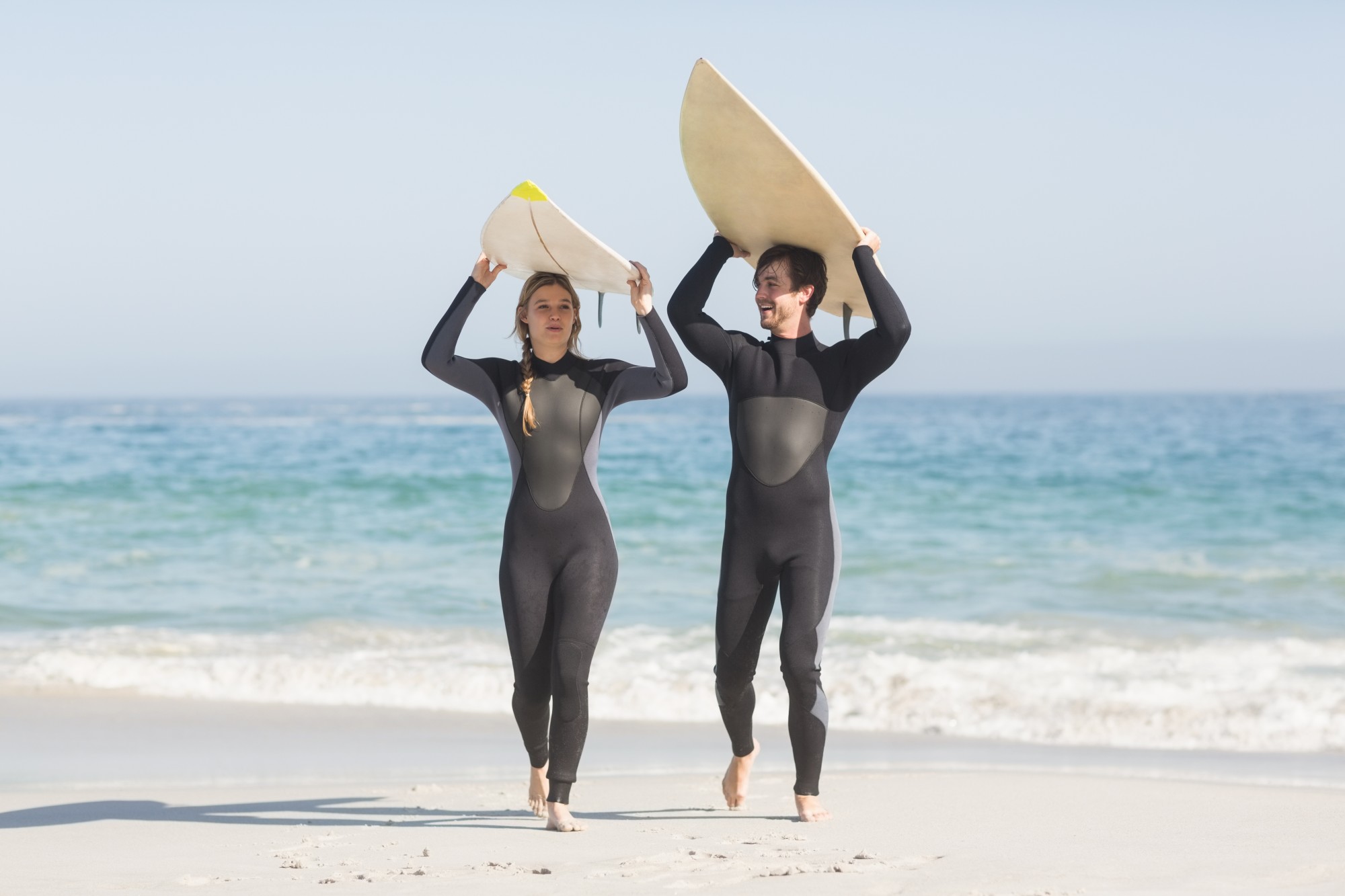
A good wetsuit keeps you warm, comfortable, and flexible in cold water. Whether you surf, dive, swim, or paddle, the right wetsuit extends your season and keeps you in the water longer. Modern neoprene is lighter, stretchier, and warmer than ever. Here are the best wetsuits you can buy in 2026.
1. O Neill Psycho Tech 4/3mm - Best Overall
O Neill invented the wetsuit, and the Psycho Tech remains one of the best you can buy.
The TechnoButter 3 neoprene is 16 percent lighter and 15 percent stretchier than standard neoprene. The 4/3mm thickness provides excellent warmth for water temperatures from about 52 to 62 degrees Fahrenheit. The chest zip entry minimizes water flushing. At around $350, it is a significant investment, but the quality of materials and construction are evident from the first paddle out.
2.
Rip Curl Flashbomb Heat Seeker 4/3mm
The Flashbomb is Rip Curl premium surfing wetsuit. The E7 Flash Lining retains body heat while drying faster than standard thermal linings. The 4/3mm construction is warm without being bulky. At around $330, it competes directly with the O Neill Psycho Tech. The zip-free entry provides maximum paddle freedom. Rip Curl quality control is consistently excellent.
3.
Patagonia R3 Yulex 3.5/3mm
Patagonia makes wetsuits from natural rubber (Yulex) rather than petroleum-based neoprene. The environmental benefit is significant without sacrificing performance. The R3 provides warmth comparable to a standard 4/3mm suit. At around $400, it is the most expensive option, but eco-conscious water sports enthusiasts appreciate the sustainable materials. Patagonia also offers repairs and a guarantee.
4.
Xcel Comp X 4/3mm
Xcel makes wetsuits in their own factory in Thailand, giving them quality control advantages. The Comp X uses TDC Thermo Dry Celliant lining that converts body heat into infrared energy for warmth. At around $300, it offers premium features at a slightly lower price than O Neill or Rip Curl. The stitchless construction reduces water entry points.
5. Billabong Furnace Comp 4/3mm
Billabong Furnace line uses graphene-infused lining for heat retention. The 4/3mm thickness handles a wide range of water temperatures. At around $280, it is well-priced for the technology. The chest zip entry works smoothly, and the stretchy neoprene provides good paddle freedom.
6.
Hurley Advantage Plus 4/3mm
Hurley uses recycled neoprene in parts of the suit, contributing to sustainability efforts. The 4/3mm construction is warm and flexible. At around $250, it is one of the more affordable premium wetsuits. The fit tends to run slightly slim, so consider sizing up if you are between sizes.
7. SRFACE 4/3mm
A direct-to-consumer brand that delivers high-quality wetsuits at lower prices by cutting out retail markup.
The 4/3mm suit uses Japanese limestone neoprene with a warm thermal lining. At around $200, it undercuts the big brands significantly while offering comparable warmth and flexibility. The catch is you cannot try it on in a store, but their sizing guide is accurate.
8. Vissla Seven Seas 4/3mm
Vissla focuses on eco-friendly materials, using recycled neoprene and water-based glue.
The Seven Seas 4/3mm is warm, flexible, and built with sustainability in mind. At around $270, it sits in the mid-range price bracket. The construction quality is solid, and the suit holds up well to regular use.
9. NeedEssentials 4/3mm
Another direct-to-consumer brand offering quality wetsuits without the brand tax. The 4/3mm suit uses Japanese Yamamoto neoprene, which is the same material many premium brands source.
At around $180, it is the most affordable suit on this list. The minimalist branding and simple design appeal to surfers who care about performance over logos. Available in standard and chest-zip entry.
Wetsuit Buying Tips
Fit is the most important factor. A wetsuit should be snug without restricting breathing or movement. Water should not flow freely inside the suit. Thickness determines warmth: 3/2mm for warm water, 4/3mm for cool water, 5/4mm for cold water. Chest zip and zip-free entries minimize water flushing compared to back zips. Seam construction matters because glued and blind-stitched seams prevent water entry while flatlock stitching does not. And rinse your wetsuit in fresh water after every session to extend its life.
Get the best of OTBVA
Expert guides, reviews, and tips delivered to your inbox. No spam, unsubscribe anytime.